
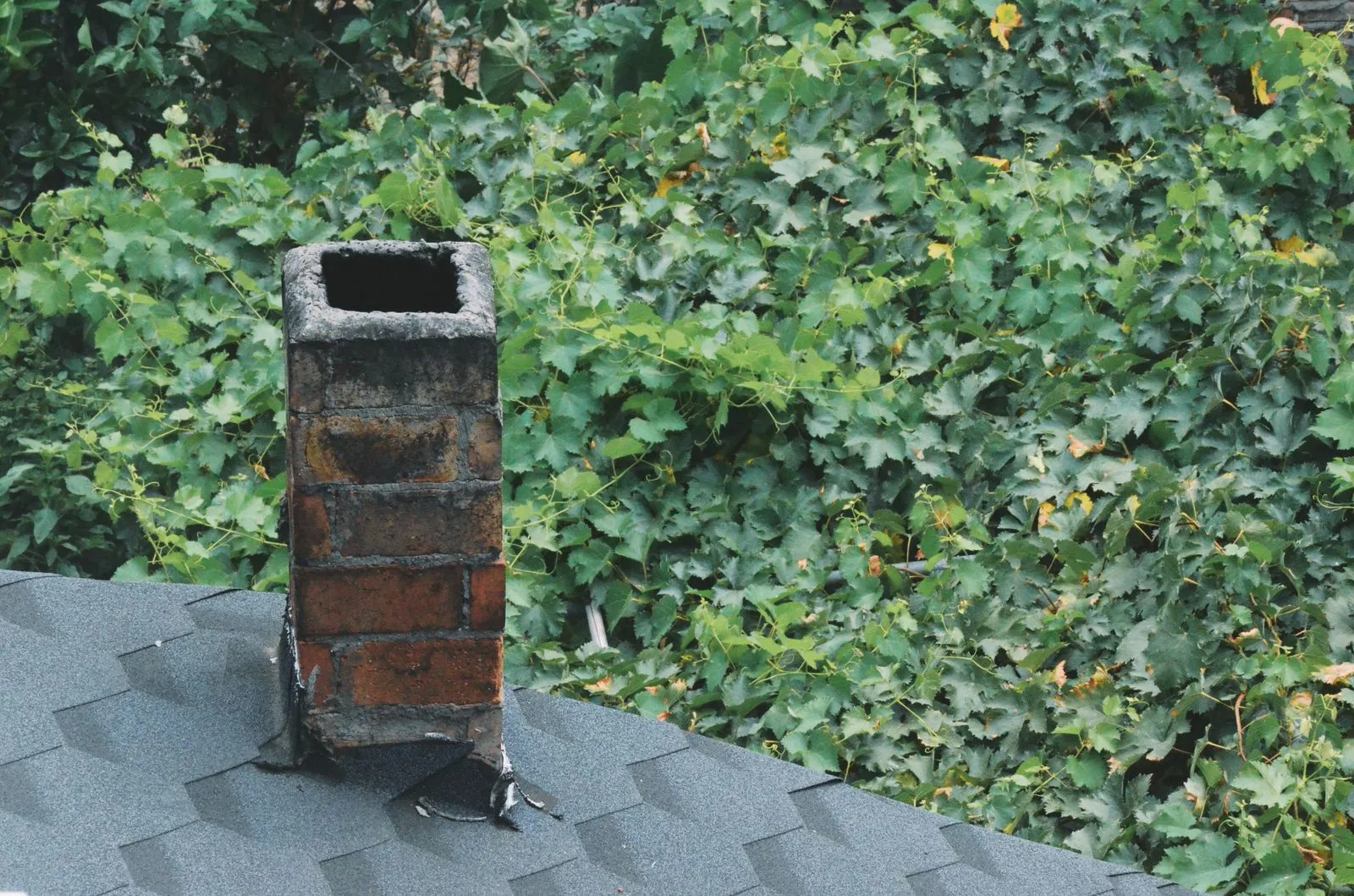
Vents and skylights interrupt the roof’s surface, so each opening needs flashing that directs water onto the shingles and away from seams. If flashing loosens, corrodes, or separates, rain can work beneath the roofing and reach the attic or interior. A careful visual check can reveal warning signs before they become larger problems. Learn what to look for around these openings, what you can safely inspect from the ground or indoors, and when a roofing professional should assess the roof.
How Opening Flashing Works
Flashing forms a water-resistant transition between a roof opening and the surrounding roofing. Around a vent, a flashing base or boot fits over the pipe and lies beneath or over shingles in a way that sheds water downhill. Skylights use a flashing system around their sides and corners, often coordinated with the skylight frame and nearby shingles.
These details must work with the roof’s slope and the direction water flows. Sealant may be part of a system, but it should not be the only defense against leaks. Missing pieces, poor overlap, or a failed connection can let water pass the roof covering and travel along framing, insulation, or ceiling materials.
What to Check Around Vents
From the ground, use binoculars to look for a cracked or lifted rubber boot, a vent pipe that appears tilted, missing shingles, or flashing edges that seem exposed or bent. Check for a gap between the boot and pipe. Rust stains on metal parts or debris caught around the opening can also point to a problem that deserves closer attention.
Inside the attic, if it is safely accessible, look near the vent penetration for damp or discolored wood, compressed or stained insulation, and visible daylight around the pipe. After rain, note any musty odor or moisture. Do not step on ceiling surfaces or move insulation near wiring, and avoid entering an attic that is hot, cramped, or unsafe.
What to Check Around Skylights
Look for shingles that have lifted, cracked, or pulled away around the skylight, as well as flashing that appears loose, distorted, or corroded. Pay particular attention to corners and the uphill side, where water must be directed around the frame. Check the skylight’s exterior frame for visible gaps, but do not assume that applying caulk will correct a flashing problem.
Indoors, inspect the ceiling and wall below the skylight for bubbling paint, brown marks, peeling finish, or damp trim. Condensation on the glass can have causes other than a roof leak, so consider when moisture appears and whether it follows rain. A leak can travel before it becomes visible; a stain may not sit directly beneath the damaged flashing.
Responding to Signs of Damage
Do not climb onto a wet, steep, or unfamiliar roof to investigate. From a safe location, take clear photos and note where you saw damage or indoor moisture. If water is actively entering, protect belongings and collect drips, then arrange a professional inspection. Avoid disturbing shingles or applying sealant as a temporary fix; that can hide the source or interfere with a durable repair.
A roofing professional can inspect the flashing, surrounding shingles, and roof deck, then identify whether the issue involves the flashing itself, the opening, or nearby roofing. Ask what evidence supports the diagnosis and what work the repair includes. Prompt attention to a loose boot or failed skylight detail can help limit water damage to insulation, framing, and interior finishes.
Check visible roof and indoor areas after severe weather or whenever you notice a stain, musty smell, or damp insulation. Keep in mind that a ground-level view cannot confirm the condition of every flashing seam. If you see warning signs, contact a qualified roofing professional for a safe inspection and a repair plan tailored to the opening.